The Spiritual and Emotional Benefits of Umrah During the Holy Month
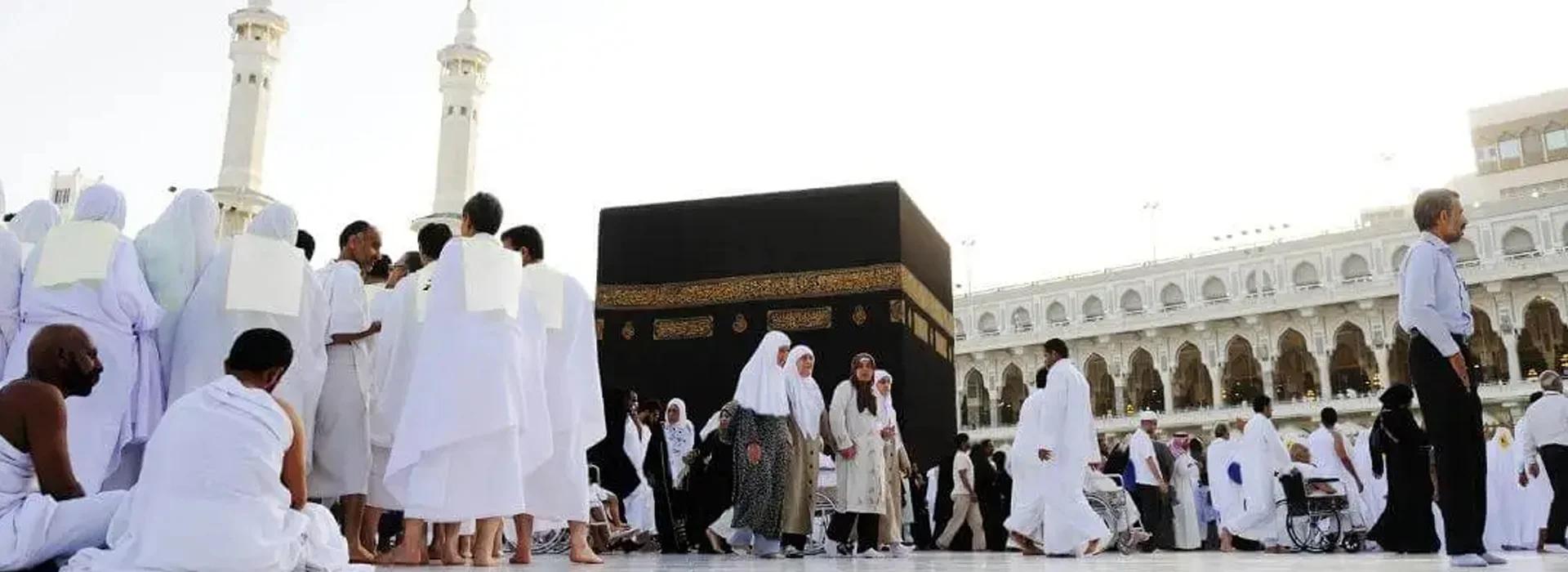
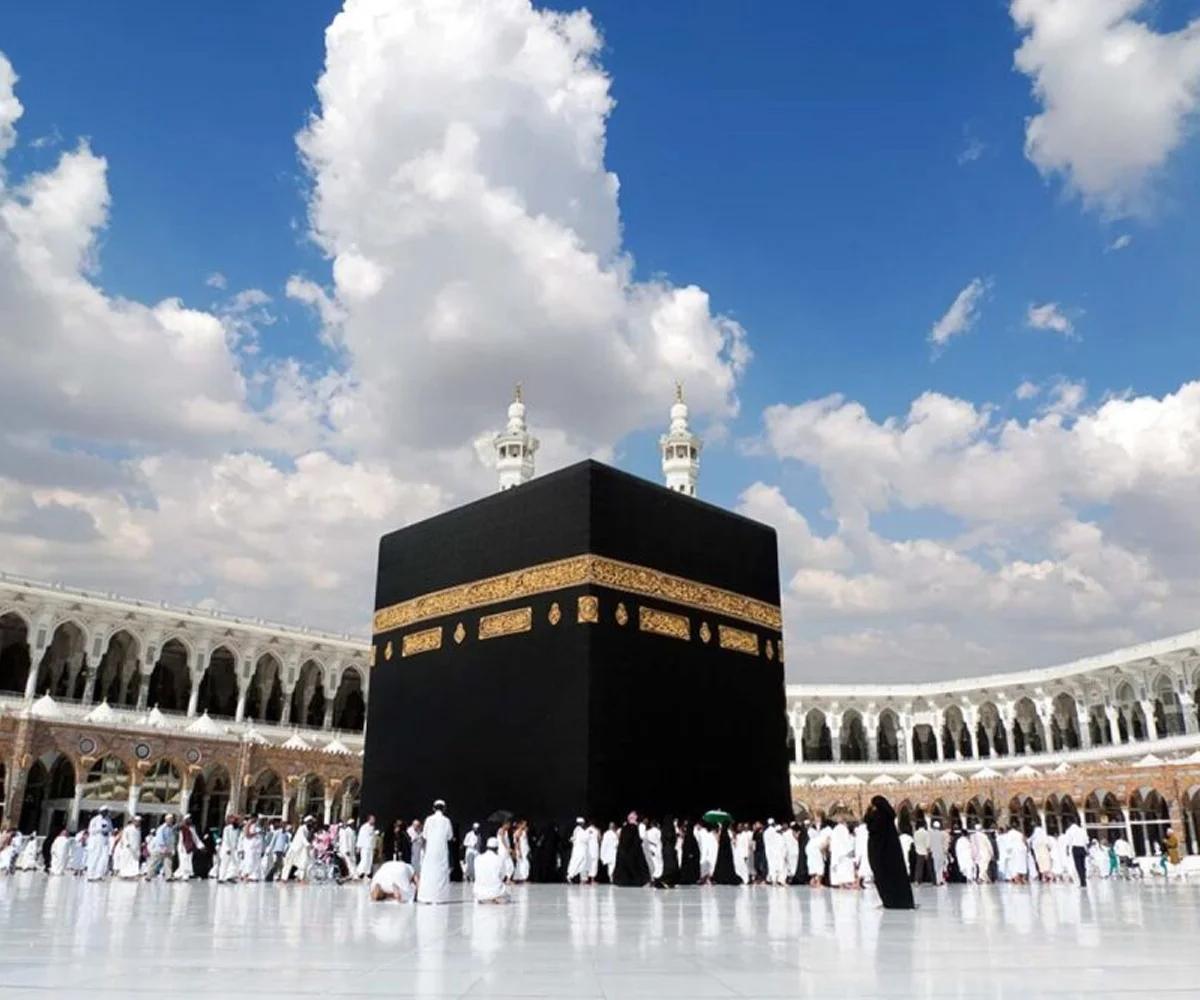
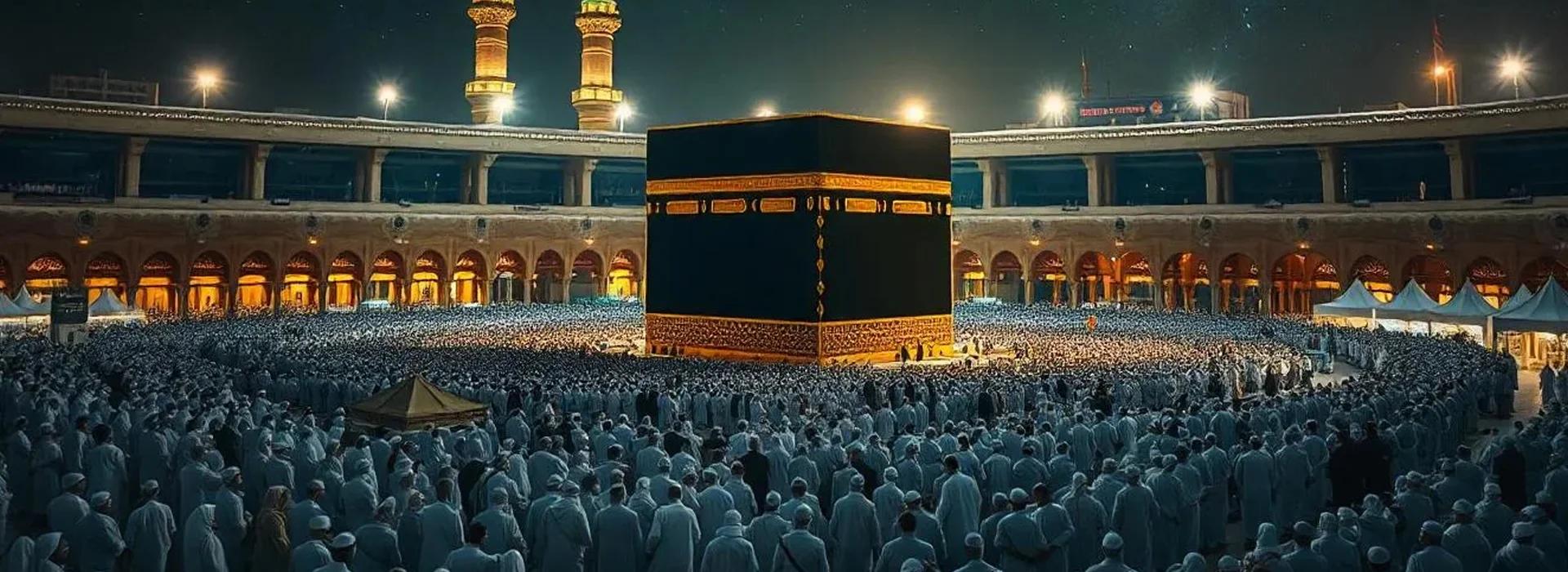
The holy month of Ramadan is a time of immense spiritual significance, marked by increased worship, self-reflection, and a deepened connection with Allah. For many Muslims, performing Umrah during this sacred month is a life-changing experience that amplifies the blessings and rewards of their devotion. Often referred to as the “lesser pilgrimage,” Umrah holds immense importance as a means to cleanse the soul, seek forgiveness, and draw closer to the Creator. Undertaking this journey during Ramadan, a time when Allah’s mercy and forgiveness are at their peak, adds profound spiritual depth to the experience, transforming it into an unparalleled act of worship.The emotional benefits of Umrah during the holy month are equally powerful. The sacred rituals, performed in the spiritual atmosphere of Makkah, provide a unique sense of inner peace and renewal. Pilgrims often describe the overwhelming emotions of standing before the Kaaba, feeling connected to millions of Muslims worldwide. The unity of purpose among worshippers during Ramadan fosters a deep sense of belonging to the global Muslim community. Additionally, the physical challenges of fasting and completing the rituals instill discipline and gratitude, creating a holistic spiritual journey that rejuvenates the mind, body, and soul. For believers, performing Umrah in Ramadan is not just a religious duty but a deeply enriching and transformative experience.Here are some of the spiritual and emotional benefits of Umrah during the holy month.1. Intensified Connection to AllahUndoubtedly, Umrah during the holy month truly heralds the precursor of Allah as someone who prays for Favor and grace at the same time. As the devotee goes around the Kaaba doing Tawaf or between Safa and Marwa interacting in a manner that shows a profound sense of humility, nature in all its beauty is found there further brutalized. On top of that, the whole situation gets a spiritual lift during Ramadan.2. Multiplying Rewards for WorshipMostly known as the season of rewards for good deeds, Ramadan is a time distinguished by rewards for good actions above and beyond the ordinary. The reasons, escapes and weights increase when rewards for umrah are compared and contrasted with those of Hajj in the context of spirituality as reflected in various narrations. As pilgrims are in Makkah on pilgrimage, the reward incentive is amplified to a higher height in the hope of concentrating greatly upon prayers, supplications, and acts of charity. Thus, with the reward, these believers waste no time in reaping spiritual rewards and blessings by their journey in such blessed heat. 3. Rediscovered Inner PeaceThe peaceful ambiance that Makkah carries during an Umrah in Ramadan is so distinct and gratifying that the pilgrim is bound to experience the ultimate peace and serenity. The reading of the verses of the Quran, the unity of the Ummah in prayers or the stillness of ventilation fades the distinction from an elusive spiritual peace. On the other hand, and on track, most pilgrims are yet to endorse an instance where they did not feel an intrinsic sense of peace and rebirth, thus filling them with insight and spiritual euphoria. 4. Binding Families through joint worshipDoing Umrah together as a family during the Holy Month can secure family bonds and also provide eternal memory. When an entire family does an act of worship, it fosters unity and mutual understanding among its members. In these kinds of Umrah journeys, moral values of patience, gratefulness, and devotions would be taught to children by parents, while all family members, as participants, receive the blessings of Ramadan. The journey will be brought together in durable spiritual harmony (and a sense of belonging).5. A Chance for Self-Reflection and RecessionRamadan is the ideal season for conducting a self-examination and seeking divine forgiveness of past evils. The spiritual atmosphere had made it likely that the search within themselves by the pilgrim for a better life. Most of the pilgrims would repent with the intention of leading a better, pious life upon reaching home. The month with emphasis on the mercy and forgiveness exaggerate the level of transformation achieved by this sacred journey. 6. Surviving Deeper GratefulnessTraveling to blessed places during Ramadan is, in a way, a give-and-take of gratitude for the blessings of life. On top of the general prayer to bond with other fellow Muslims from across the globe, a person feels and thanks Allah that he deserves it. Experiencing the bond established with the fasting period within the frame of performing Umrah introduces the pilgrim to a humble feeling to engage in acts of charitable love for social charity. 7. Discipline and SpiritualityVisiting the Holy Ka'bah during Ramazan is a test of faith, patience, and endurance. Pilgrims are supposed to do with the necessity of fasting while still doing the rituals that are physically demanding, which require a great deal of discipline. This very act flows back into a high commitment to prayer, of worship, of dedication to the path that leads to Allah. And this lesson reverts back to daily practice as an essential part of life-style, allowing practicing the Istiqamah in the worship to Allah and in developing spiritual focus, among whatever else they find being kept in check by the holy month.